Chapter 2: Who's Paying?
IN THIS LESSON
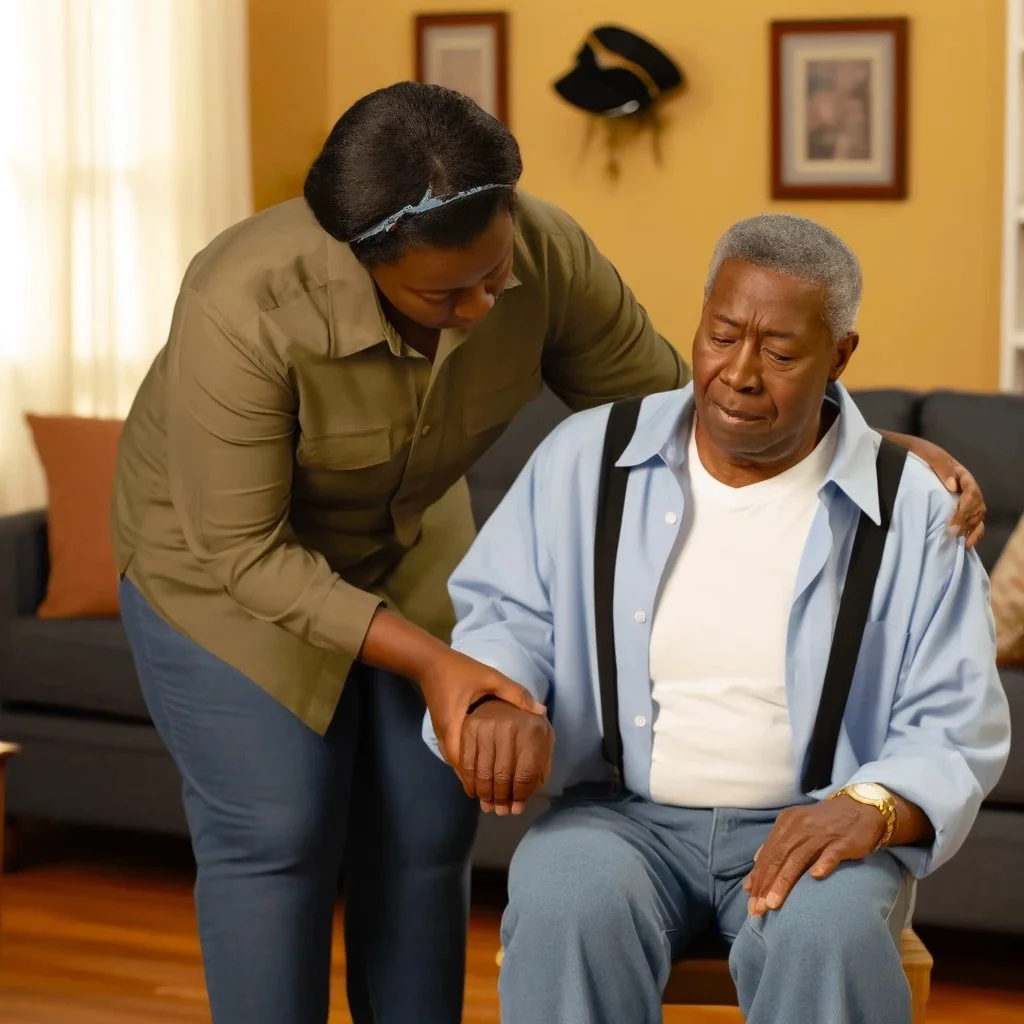
If you or your loved-one served in military or are the spouse of someone who did…
Thank you for your service
Accessing Earned Support for Military Families
Understanding the Unique Challenges of Veteran Caregiving
Caring for a veteran brings distinct challenges that civilian caregivers may not face. Veterans often deal with service-related physical injuries, PTSD, and other conditions that require specialized understanding and care approaches.
As a veteran caregiver, you might be managing:
Complex trauma-related behaviors alongside dementia symptoms
Multiple healthcare systems (VA and civilian providers)
Service-connected disabilities that complicate care planning
Bureaucratic processes that can feel overwhelming when you're already stressed
The important news: Veterans and their families have earned significant benefits and support services but you need to know how to access them.
As our nation's veterans age or face disabilities, caregivers play a vital role. Our veterans, may have unique needs due to their service-related injuries or experiences, the importance of caregiver assistance and support cannot be overstated.
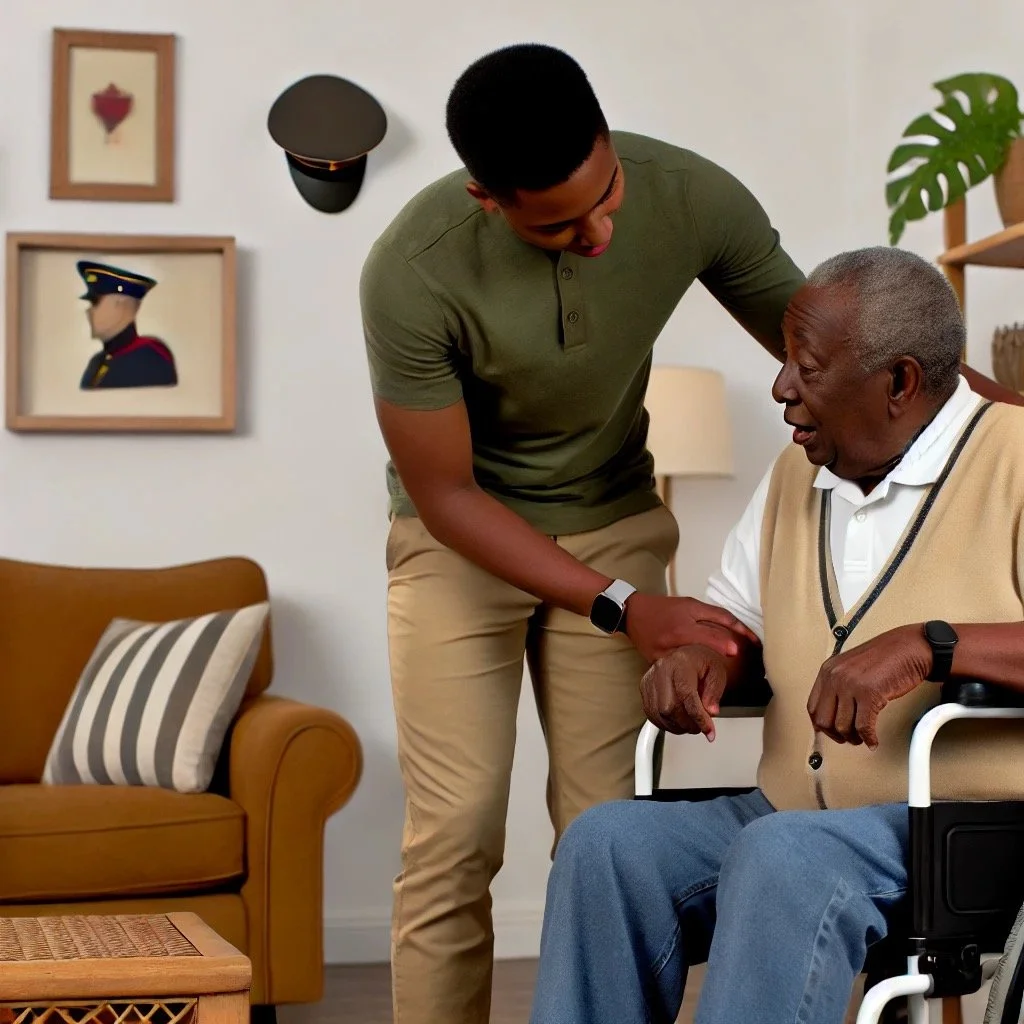
Comprehensive Support Services Available Through the VA
Caregiver Training and Education
What's available: The VA offers specialized training programs designed specifically for those caring for veterans.
Why it's valuable: These programs understand the unique intersection of military service effects and aging/dementia care.
How to access: Visit the VA Caregiver Support Program to find training resources tailored to your veteran's specific needs.
What you'll learn:
How service-related conditions affect aging and dementia
Specialized communication techniques for veterans with cognitive changes
Understanding triggers and managing challenging behaviors
Navigating VA healthcare systems effectively
Mental Health Support for Veterans and Caregivers
For your veteran: The VA provides specialized mental health services that understand military culture and service-related trauma.
For you as the caregiver: Mental health support is available to help you manage the emotional challenges of caregiving.
Specialized resources: Mental health resources for older veterans provides targeted support for aging-related mental health challenges.
Why this matters: Caring for a veteran with dementia plus service-related conditions can be emotionally exhausting—you deserve support too.
Respite Care: Essential Relief for Caregivers
What respite care provides: Temporary professional care for your veteran, giving you time to rest, handle personal needs, or simply recharge.
Types available:
In-home respite (a professional caregiver comes to your home)
Adult day programs designed for veterans
Short-term residential respite (temporary stay in a care facility)
Critical for your wellbeing: Taking breaks isn't selfish, it's necessary for providing sustainable, quality care.
Community Support and Peer Connections
Why Veteran-Specific Support Matters
Shared understanding: Other veteran caregivers understand the unique challenges of military culture, service-related conditions, and VA systems.
Practical benefits:
Learn from others who've navigated similar challenges
Get recommendations for veteran-friendly care providers
Share strategies for managing complex symptoms
Find emotional support from people who truly understand
Available Support Options
Local veteran organizations: Many communities have veteran caregiver support groups that meet regularly.
Online communities: Connect with other veteran caregivers nationwide through specialized forums and support groups.
DAWN's Facebook Community: We offer an Online Caregiver Support Group that welcomes all veteran caregivers.
Financial Benefits and Services
Aid and Attendance Benefit
What it provides: Monthly payments to help cover the cost of care for veterans who need assistance with ADLs or supervision due to cognitive impairment.
Who qualifies: Veterans with service-connected disabilities or wartime service who meet income and asset requirements.
Why it's valuable: Can provide $1,000-2,000+ monthly to help pay for in-home care, adult day care, or assisted living.
Other VA Benefits to Explore
Home modifications: Grants for accessibility improvements to help veterans age safely at home.
Medical equipment: Coverage for wheelchairs, hospital beds, and other durable medical equipment.
Transportation: Assistance getting to VA medical appointments.
Prescription coverage: Often more comprehensive than Medicare Part D for service-connected conditions.
Navigating the VA System Effectively
Understanding the VA Culture
What works: Persistence, documentation, and understanding that VA staff genuinely want to help veterans access their earned benefits.
What doesn't work: Expecting quick answers or simple processes—the VA system is complex but comprehensive.
Getting Help with Applications
Veteran Service Organizations (VSOs): Groups like the American Legion, VFW, and Disabled American Veterans provide free help with benefit applications.
Why use a VSO: They know the system, understand the paperwork, and can advocate for you throughout the process.
County Veteran Service Officers: Many counties have dedicated staff to help local veterans access benefits.

Veteran caregivers’ assistance
The Importance of Self-Care for Veteran Caregivers
Recognizing Your Own Needs
The reality: Caring for a veteran with dementia is demanding work that can affect your physical and mental health.
Permission to prioritize yourself: Taking care of your own needs isn't selfish—it's essential for providing quality care long-term.
Practical Self-Care Strategies
Maintain your connections: Don't isolate yourself from friends and activities you enjoy.
Accept help when offered: Whether from family, friends, or professional services.
Monitor your own health: Regular check-ups and mental health support for yourself.
Set realistic expectations: You can't solve everything or prevent all challenges.
When to Seek Additional Support
Red flags for caregiver burnout:
Feeling overwhelmed most days
Neglecting your own health needs
Isolating from family and friends
Feeling resentful or angry frequently
Physical symptoms of stress
Resources available: VA caregiver support services, counseling, support groups, and respite care are all designed to help you succeed in your caregiving role.
To Do
-
Is your loved-one eligible for veteran benefits?
-
VA benefits number 877-222-8387
Use your "Who's Paying Worksheet" to note policy specifics or any additional information.
Resources
So summing up the finances
*
So summing up the finances *
Now You Know
Your Care Funding Toolkit
You now have a comprehensive understanding of the major funding sources available for your loved one's care:
Personal funds - Understanding how to protect and strategically use private resources
Insurance coverage - Maximizing benefits while understanding limitations and timing
Long-term care insurance - Accessing benefits if available, planning alternatives if not
Veteran benefits - Comprehensive support for those who've served our country
The critical distinction: Medicare (age-based) covers skilled medical services, while Medicaid (income-based) covers long-term custodial care needs
Understanding Payment Structures
Different insurance formats affect your coverage:
Traditional Medicare with supplement plans
Medicare Advantage (managed care) plans
Medicaid managed care programs
Private insurance variations
The Power of Asking Questions
Never hesitate to ask:
"Which payer covers this service?"
"What are the specific requirements for coverage?"
"Are there alternative covered services that meet the same need?"
"What documentation do you need for approval?"
"What's the appeals process if this is denied?"
Remember: There may be additional resources and funding sources not covered in these lessons. Healthcare systems, community programs, and assistance options vary by location. Keep exploring until it makes sense.
Trust the process: This information will come together to form your comprehensive care funding strategy.
Now You're Ready for the Next Phase
What you've accomplished: You now understand the major funding sources available and how to navigate insurance and benefit systems effectively.
Your equipped mindset: You can advocate confidently with healthcare providers, insurance companies, and care agencies because you understand how the payment systems work.
What's next: Now that you know what funds are available (or not), let's explore the actual care options and services that these funds can support.
Moving Into Care Options
Keep these key factors in mind as we explore care alternatives:
Level of assistance needed - Based on your mobility, ADL, and cognitive assessments
Financial criteria and costs - Matching care options to your available funding sources
Quality and appropriateness - Ensuring care meets your loved one's specific needs
Your advantage: You're approaching care decisions with comprehensive knowledge of both needs and resources, exactly the foundation needed for making informed, strategic choices.
Ready to explore your options? Let's dive into the specific care services and settings that can support your loved one's needs while working within your available resources.
Let's go! The next phase will show you how to translate your assessments and funding knowledge into actual care solutions that work for your family.