Chapter 1: Understand What They Need Now
This chapter helps build a clear picture of how an aging loved one is functioning today.
The three lessons move from mobility, to everyday activities, to thinking and judgment so the learner can identify changes, safety concerns, and areas where additional support may be needed.
Chapter outcome
By the end of Chapter 1, you will have a written snapshot of what your loved one can do independently, where they need help, what may be unsafe, and what questions should be discussed with their healthcare team.
How to use this chapter
Download the Know Their Now Worksheet and use the same worksheet throughout all three lessons.
Choose a time when neither of you is rushed, tired, or already frustrated.
Ask permission and observe familiar routines. This is not a test, and you are not trying to catch them doing something wrong.
Write down specific examples, including what happened, when it happened, and what assistance was needed.
Pay attention to changes from their usual baseline. A new change may matter more than a long-standing limitation.
Include your loved one's preferences, goals, and concerns. Safety matters, but so do dignity and choice.
Use one assistance scale throughout
Independent: Completes the task safely without help.
Set-up or cueing: Needs items prepared, reminders, or step-by-step prompts.
Supervision: Needs someone nearby for safety but not providing physical help.
Hands-on assistance: Needs another person to provide some physical help.
Dependent: Another person completes most or all of the task.
Important: This course helps you organize observations and prepare questions. It does not diagnose a condition or replace an evaluation by a licensed healthcare professional.
IN THIS LESSON
You will look at how your loved one walks, changes positions, transfers between surfaces, uses stairs, and moves through the home. The goal is not simply to determine whether they can move. The goal is to understand whether they can move safely and what assistance they need.

Begin with their usual routine
Spend time together and observe how they normally move through the day. Whenever possible, avoid hovering, rushing in too quickly, or giving extra instructions that they would not ordinarily receive. You want a realistic picture of what happens when they are moving through familiar activities.
Notice both ability and effort. Someone may complete a task but need several attempts, hold onto furniture, become short of breath, or look unsteady while doing it. Those details matter.
What to observe
-

Walking and balance
Most families don't notice a change in walking until there's already been a fall
Are they steady when walking indoors and outdoors?
Do they hold onto furniture, walls, or another person?
Do they use a cane, walker, or other mobility device consistently and correctly?
Are they able to turn, stop, and change direction without losing balance?
Do pain, weakness, dizziness, fatigue, or shortness of breath limit how far they can walk?
Has their walking changed recently?
-
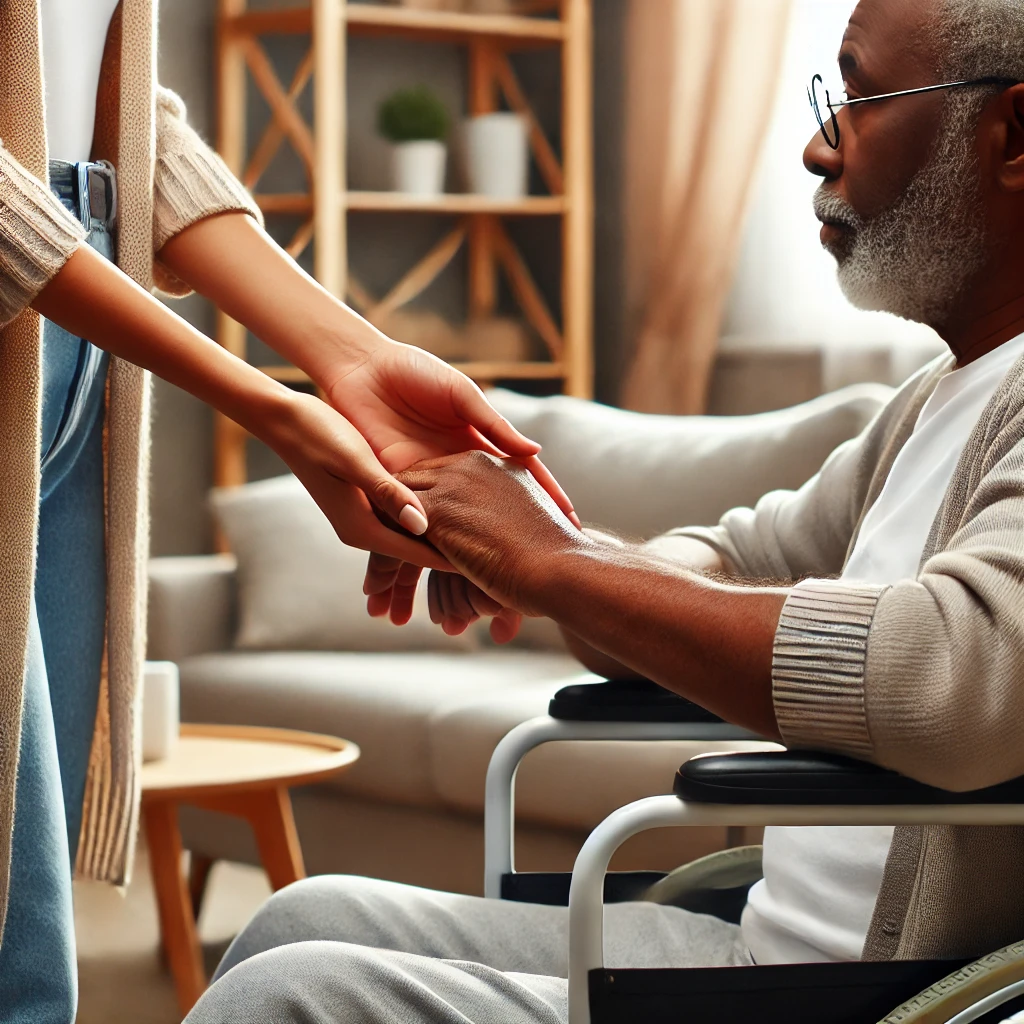
Transfers
A transfer is the movement from one position or surface to another. Observe how they manage:
Standing up from and sitting down in a chair
Getting in and out of bed
Moving between a bed and wheelchair
Getting on and off the toilet
Getting in and out of a car
Record the level of assistance required. If they need hands-on help, also consider whether the person helping has been taught how to assist safely.
-
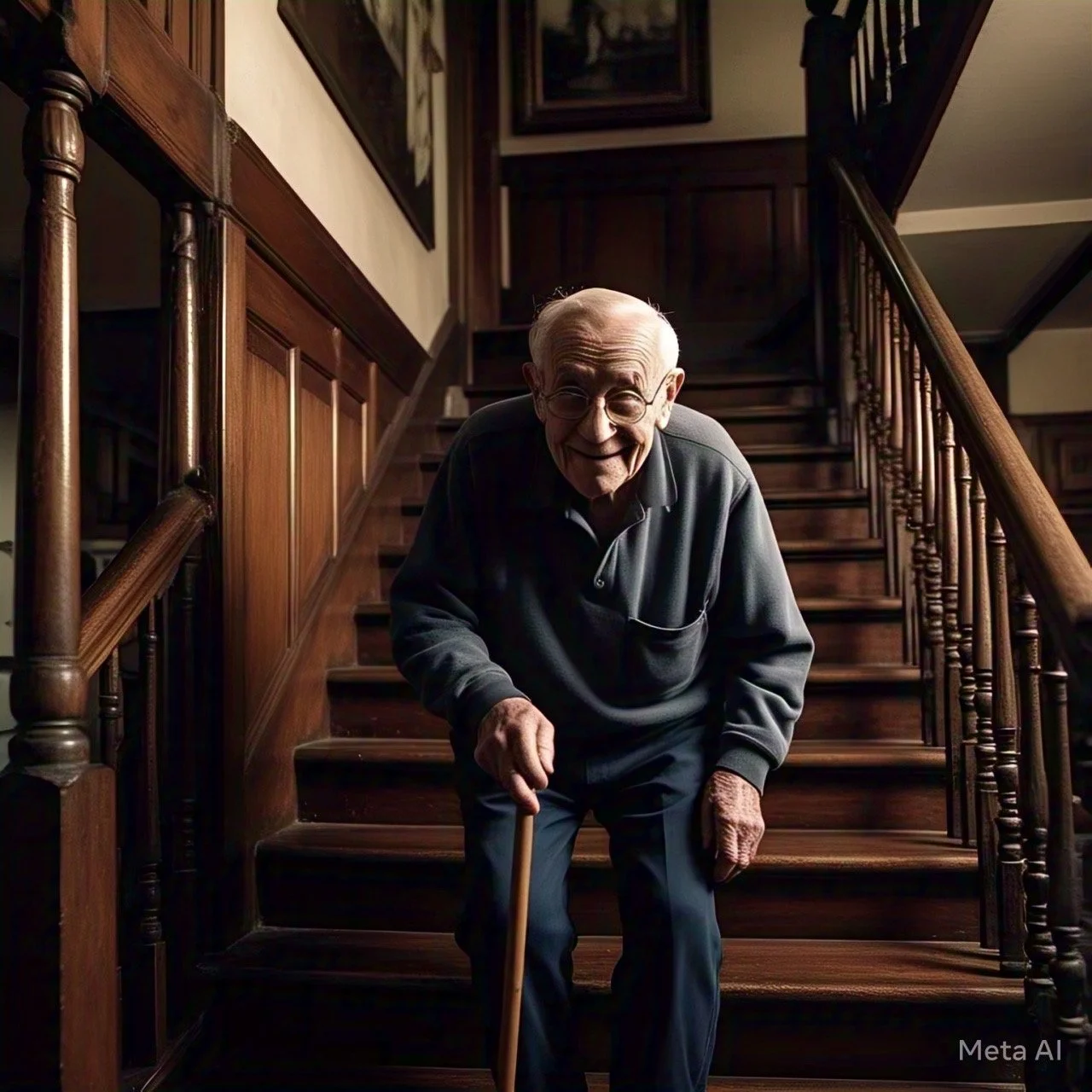
Stairs and home access
Can they safely manage the steps inside and outside the home?
Are handrails present, secure, and within reach?
If they cannot use the stairs, can essential living areas be arranged on one level?
Can they enter and leave the home safely, including during an emergency?
-
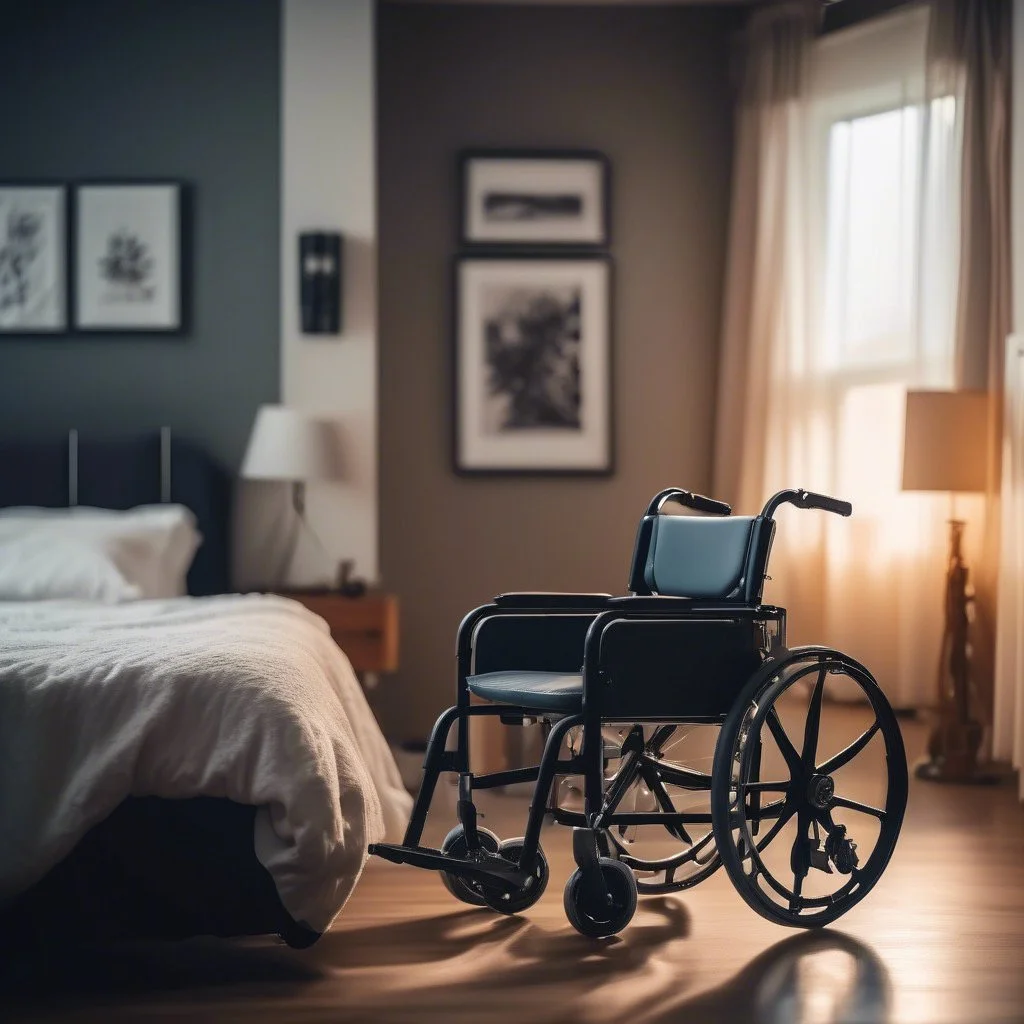
Wheelchair-friendly home?
Can it move through hallways and important doorways, especially the bedroom and bathroom?
Are brakes, footrests, wheels, and other parts working properly?
Can the person reach the surfaces and items they use every day?
Has the equipment become uncomfortable, difficult to use, or unsafe?
The key word here is safety.
They may be able to get around, but are they safe?
Falls and near falls
Ask about falls, slips, and near falls. People sometimes report only the falls that caused an injury, but a near fall can also signal declining balance or an unsafe environment. Note when and where it happened, what they were doing, whether an injury occurred, and whether a healthcare provider was informed.
Are you able to safely help with their mobility?
Helping someone stand, reposition, or move between surfaces can place both of you at risk for injury. Before providing hands-on assistance, make sure you understand how much help your loved one needs and whether you can provide it safely.
Watch the short video below for basic transfer and body mechanics reminders.
Safety note: This video provides general education. If your loved one requires significant physical assistance, has recently fallen, or has experienced a change in strength or mobility, request an evaluation and hands-on training from a physical or occupational therapist.
If you notice new mobility concerns, repeated falls, unsafe transfers, or difficulty using equipment, speak with their healthcare provider. A physical or occupational therapist may be able to assess their needs, recommend appropriate equipment, and provide hands-on training.
✦ Important Safety Consideration
Do not attempt a transfer that feels unsafe or exceeds your physical ability. If your loved one has a sudden or significant change in strength, balance, walking, or ability to transfer, contact their healthcare provider promptly. For emergency symptoms or a serious injury, call 911.
If you find that your loved one is requiring assistance with transfers consider around the clock coverage as they aren’t able to safely
To Do
-
Spend unstructured time with your loved one rather than directing the visit.
Let them move through their day the way they normally would.
Watch more than you instruct. Notice how they get up, walk, sit down, and move around without your help.
Write down what you see on the Know Their Now worksheet.
-
Make notes on your checklist of your experience with your loved one
Resources
-
Glossary of relevant terms and definitions. A useful tool to equip you along your caregiver journey
-
Medicare breakdown of what is it, what it's for and criteria. Here's the link
-
Use this questionnaire for guidance when choosing a home health agency.
-
Keep this handout nearby as a reminder of safer positioning and movement when assisting your loved one.
Now You Know:
How your loved one currently walks and moves through familiar spaces
What level of assistance they need for transfers
Whether stairs, doorways, or equipment create safety concerns
Which changes or concerns should be discussed with a healthcare professional
Next, you will look beyond mobility and assess how your loved one manages the everyday activities that support health, dignity, and independence.