Chapter 3: Assistance Options
IN THIS LESSON

Let’s explore assistance at home or in the community.
Most people prefer to stay stay home and many thrive in their environment. It becomes tricky when they are no longer thriving, barely surviving, but want to stay home and are adamant about that!
Here are some options to consider to maintain their wellness and safety in the community or at home.
Now you’ll use the “Assistance Options Worksheet” for Lessons 1-2.
“Discharge Worksheet” for Lesson 3 stands alone. You’ll see why.
Options when living home
-
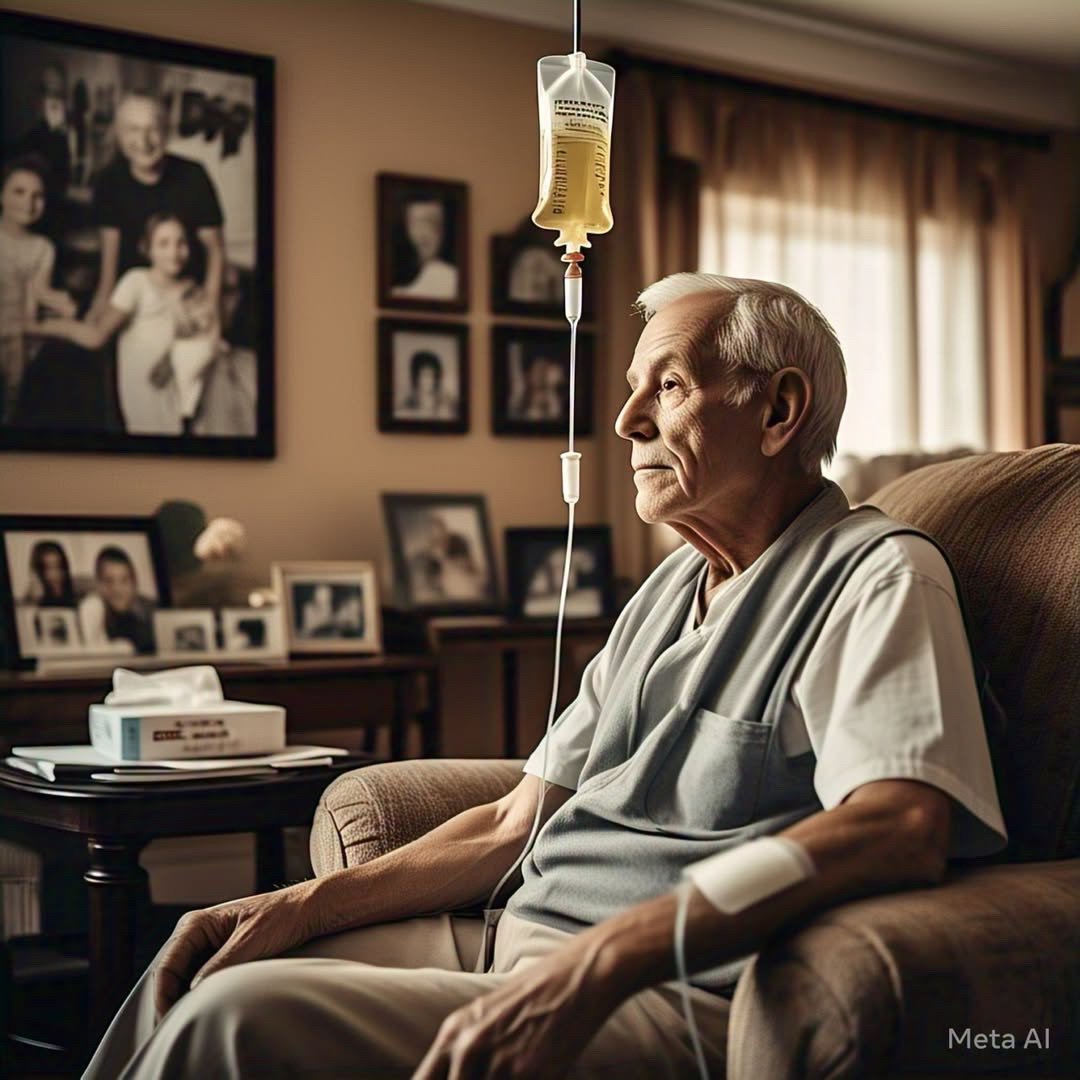
Skilled Home Health Care
Service from here is often short-term, not daily and must be in addition to skilled nursing and/or therapy
Here is Medicare criteria for skilled home health agency. For the most part, insurances companies use Medicare criteria
-

Non-Skill or Custodial Home Care
For ADL and IADL care. Most insurance companies and Medicare do not cover this type of care as a stand-alone.
If they meet criteria, custodial care (alone, without a skill service) may be covered by
- Medicaid
- Long Term Care insurance
- VA benefits or
- you can pay out of pocket -

Care Management Agencies
Often provide services that assist with managing medical regimens, ADLs or activities such as housekeeping, laundry, errands and such.
-

Adult Day Care Centers
Offer a variety of services; types are dependent on the center. Generally it's a place where your loved one can go during the day for socialization, meals, supervision, assistance with hands on needs and more. They usually have transportation to pick-up and drop-off. Coverage varies.
-

Medicaid Community Programs
Services in the community that, for the most part, provide assistance for ADLs and IADLs. As noted in the name these are programs paid by Medicaid.
-

Other options
Description goes hereMeal programs (like Meals on Wheels), senior centers, friendly neighbor programs…
So here you see the terms
skilled and non-skilled… again
No worries; I’m not going there.
I know you get the gist by now ;)
FYI
There may some overlapping of services; overlapping of type and/or billing.
One way to know what’s not allowed to overlap is based on who’s paying.
One payer usually doesn’t pay for the same type of service from multiple providers.
For example: paying for skilled home health and out-patient therapy at once.
Both are skilled, so it has to be either/or.
But make no assumptions.
My motto: It can’t hurt to ask and things change
If you’re interested in Home Health services, here’s that questionnaire that you can use for both skilled and non-skilled agencies.
Initially we started looking at how our elderly loved-ones are functioning. Now we’re matching that with the appropriate assistance/setting... putting the pieces together;)
The chart below gives a general idea of the appropriate level of function with the appropriate assistance/setting. Remember there often are additional factors to be considered.
In the next lesson we’ll explore living elsewhere (also listed on this chart).
Take a look
Why Elder Abuse Awareness Is Essential
When your loved one is receiving care at home—whether from family, hired caregivers, or community members—being vigilant about potential abuse isn't paranoia, it's responsible caregiving. Cognitive impairment can make elderly adults more vulnerable to exploitation and abuse.
Important note: Abuse can happen anywhere—in homes, facilities, or community settings—and by anyone, including family members, paid caregivers, or trusted friends.
Recognizing the Signs: What to Watch For
Physical Abuse Indicators
Unexplained injuries that raise concern:
Bruises, cuts, burns, or welts in unusual patterns or locations
Injuries that don't match the explanation given
Signs of restraint marks on wrists, ankles, or other areas
Broken bones, especially repeated fractures
Behavioral changes to notice:
Flinching when approached or touched
Fear of specific people or situations
Reluctance to discuss injuries or how they occurred
Multiple emergency room visits with suspicious injury patterns
Emotional and Psychological Abuse
Changes in your loved one's demeanor:
Sudden withdrawal from activities they previously enjoyed
Increased anxiety, depression, or fearfulness
Unusual agitation when certain people are mentioned
Loss of self-esteem or expressing feelings of worthlessness
Sleep disturbances or nightmares
Communication changes:
Hesitation to speak freely when certain people are present
Expressing fear about disappointing someone
Mentioning threats or intimidation
Financial Abuse: The Most Common Form
Red flags in financial management:
Unusual withdrawals, transfers, or changes to accounts
Sudden modifications to wills, trusts, or power of attorney documents
Bills going unpaid despite having adequate resources
New "friends" or romantic interests with sudden financial access
Missing personal belongings, jewelry, or valuables
Behavioral indicators:
Confusion about money they should have
Mention of "helping" someone financially
Reluctance to discuss finances when they previously were open
Changes in banking habits or locations
Neglect: When Care Needs Aren't Met
Physical signs of inadequate care:
Poor personal hygiene despite previous good grooming habits
Inappropriate clothing for weather or dirty, unchanged clothes
Unexplained weight loss, malnutrition, or dehydration
Untreated medical conditions or missed medical appointments
Unsafe or unsanitary living conditions
Environmental neglect:
Lack of heat, electricity, or running water
Spoiled food or empty refrigerator
Unsafe home conditions (broken stairs, exposed wiring)
Lack of necessary medical equipment or medications
Sexual Abuse: Difficult but Important to Recognize
Physical indicators:
Unexplained bruising around breasts or genital areas
Torn, stained, or bloody undergarments
New sexually transmitted infections
Difficulty walking or sitting
Behavioral changes:
Sudden change in behavior around intimate care
Fear or anxiety during personal care activities
Withdrawal from physical contact
Inappropriate sexual behavior (which might indicate they're experiencing abuse)
Taking Action: Your Response Protocol
Immediate Safety First
If there's immediate danger:
Call 911 without hesitation
Remove your loved one from the dangerous situation if it's safe to do so
Seek immediate medical attention for any injuries
Document everything:
Take photos of injuries or unsafe conditions (with your loved one's permission)
Write detailed notes including dates, times, and specific observations
Keep records of any conversations about the situation
Reporting Suspected Abuse
Who to contact:
Adult Protective Services: Your first call for suspected abuse or neglect
Local law enforcement: For immediate danger or criminal activity
Long-term care ombudsman: If abuse occurs in a care facility
VA Inspector General: For abuse in VA facilities or by VA staff
What information to provide:
Your loved one's name, address, and age
Description of suspected abuse and evidence you've observed
Names of suspected abusers
Any immediate safety concerns
Getting Medical and Legal Help
Medical attention: Even if injuries seem minor, have them examined by a healthcare provider who can document medical evidence.
Legal consultation: Consider consulting with an elder law attorney, especially for financial abuse cases.
Emotional support: Provide reassurance and support—being abused is traumatic and often embarrassing for elderly adults.
Creating a Safety Plan
Immediate protections:
Change locks if necessary
Monitor financial accounts closely
Limit access to personal information
Arrange for trusted supervision when you can't be present
Long-term safety:
Vet all caregivers thoroughly with background checks
Install security cameras in common areas (with permission)
Maintain regular, predictable contact schedules
Build relationships with neighbors who can provide extra eyes and ears
Prevention: Your Best Protection Strategy
Building Strong Safeguards
Education and awareness: Learn the warning signs and trust your instincts when something feels wrong.
Relationship building: Foster open, trusting communication where your loved one feels safe reporting concerns.
Social engagement: Encourage continued social activities and community involvement—isolation increases vulnerability.
Caregiver monitoring: If you hire help, check references thoroughly, monitor their interactions, and maintain involvement in daily care.
Empowerment approach: Keep your loved one involved in decisions about their care whenever possible—feeling powerless increases vulnerability.
Regular Check-ins That Matter
Beyond surface conversations:
Ask specific questions about how they're being treated
Observe interactions between your loved one and caregivers
Notice changes in mood or behavior after caregiver visits
Pay attention to their comfort level with different people
Trust your instincts: If something feels wrong, investigate further rather than dismissing your concerns.
Special Considerations for Dementia Care
Increased Vulnerability Factors
Cognitive changes that increase risk:
Difficulty remembering or reporting abuse incidents
Confusion about what constitutes appropriate care
Inability to call for help during emergencies
Dependence on others for basic needs
Communication challenges:
May not be able to articulate what's happening to them
Might blame themselves for "causing trouble"
Could be afraid of losing their caregiver even if treatment is poor
Protecting Someone with Dementia
Enhanced vigilance required:
More frequent check-ins and supervision
Clear communication with all care providers about appropriate treatment
Written care plans that specify exactly how care should be provided
Regular rotation of caregivers when possible to prevent isolation with one person
Supporting Yourself as a Protective Caregiver
Managing Your Own Stress
The emotional toll: Being constantly vigilant about potential abuse while managing regular caregiving responsibilities is exhausting.
Healthy approaches:
Join support groups with other protective caregivers
Maintain your own social connections and activities
Practice stress-reduction techniques
Seek counseling when the responsibility feels overwhelming
Building Your Support Network
Create multiple layers of protection:
Trusted family members who regularly visit
Neighbors who know your loved one and watch for unusual activity
Healthcare providers who understand your concerns
Professional care managers who can provide objective oversight
Resources for Immediate Help
Emergency Contacts
911: For immediate danger
Adult Protective Services: For reporting suspected abuse
Elder Abuse Hotline: 1-800-677-1116 (national resource)
VA Inspector General Hotline: 1-800-488-8244 (for VA-related concerns)
Support Services
Local Area Agency on Aging: Community resources and advocacy
Elder law attorneys: Legal protection and advice
Victim services: Counseling and support for abuse survivors
DAWN Support: We understand the complexities of dementia care and can provide guidance
Your Vigilant Caregiving Approach
Balancing Protection with Dignity
The goal: Keep your loved one safe while preserving their autonomy and dignity as much as possible.
Your mindset: You're not being overprotective—you're being responsibly protective of someone who may not be able to protect themselves.
Key Principles for Safe Home Care
Stay involved: Even with hired help, maintain regular presence and oversight.
Communicate clearly: Make sure all caregivers understand your expectations for respectful, dignified care.
Trust your instincts: If something doesn't feel right, investigate rather than ignore your concerns.
Document concerns: Keep detailed records of any incidents or observations that worry you.
To find help & report abuse
Taking Action: Your Response Protocol
Immediate Safety First
If there's immediate danger:
Call 911 without hesitation
Remove your loved one from the dangerous situation if it's safe to do so
Seek immediate medical attention for any injuries
Document everything:
Take photos of injuries or unsafe conditions (with your loved one's permission)
Write detailed notes including dates, times, and specific observations
Keep records of any conversations about the situation
Reporting Suspected Abuse
Who to contact:
Adult Protective Services: Your first call for suspected abuse or neglect
Local law enforcement: For immediate danger or criminal activity
Long-term care ombudsman: If abuse occurs in a care facility
VA Inspector General: For abuse in VA facilities or by VA staff
What information to provide:
Your loved one's name, address, and age
Description of suspected abuse and evidence you've observed
Names of suspected abusers
Any immediate safety concerns
Getting Medical and Legal Help
Medical attention: Even if injuries seem minor, have them examined by a healthcare provider who can document medical evidence.
Legal consultation: Consider consulting with an elder law attorney, especially for financial abuse cases.
Emotional support: Provide reassurance and support—being abused is traumatic and often embarrassing for elderly adults.
Creating a Safety Plan
Immediate protections:
Change locks if necessary
Monitor financial accounts closely
Limit access to personal information
Arrange for trusted supervision when you can't be present
Long-term safety:
Vet all caregivers thoroughly with background checks
Install security cameras in common areas (with permission)
Maintain regular, predictable contact schedules
Build relationships with neighbors who can provide extra eyes and ears
Prevention: Your Best Protection Strategy
Building Strong Safeguards
Education and awareness: Learn the warning signs and trust your instincts when something feels wrong.
Relationship building: Foster open, trusting communication where your loved one feels safe reporting concerns.
Social engagement: Encourage continued social activities and community involvement—isolation increases vulnerability.
Caregiver monitoring: If you hire help, check references thoroughly, monitor their interactions, and maintain involvement in daily care.
Empowerment approach: Keep your loved one involved in decisions about their care whenever possible—feeling powerless increases vulnerability.
Regular Check-ins That Matter
Beyond surface conversations:
Ask specific questions about how they're being treated
Observe interactions between your loved one and caregivers
Notice changes in mood or behavior after caregiver visits
Pay attention to their comfort level with different people
Trust your instincts: If something feels wrong, investigate further rather than dismissing your concerns.
Special Considerations for Dementia Care
Increased Vulnerability Factors
Cognitive changes that increase risk:
Difficulty remembering or reporting abuse incidents
Confusion about what constitutes appropriate care
Inability to call for help during emergencies
Dependence on others for basic needs
Communication challenges:
May not be able to articulate what's happening to them
Might blame themselves for "causing trouble"
Could be afraid of losing their caregiver even if treatment is poor
Protecting Someone with Dementia
Enhanced vigilance required:
More frequent check-ins and supervision
Clear communication with all care providers about appropriate treatment
Written care plans that specify exactly how care should be provided
Regular rotation of caregivers when possible to prevent isolation with one person
Supporting Yourself as a Protective Caregiver
Managing Your Own Stress
The emotional toll: Being constantly vigilant about potential abuse while managing regular caregiving responsibilities is exhausting.
Healthy approaches:
Join support groups with other protective caregivers
Maintain your own social connections and activities
Practice stress-reduction techniques
Seek counseling when the responsibility feels overwhelming
Building Your Support Network
Create multiple layers of protection:
Trusted family members who regularly visit
Neighbors who know your loved one and watch for unusual activity
Healthcare providers who understand your concerns
Professional care managers who can provide objective oversight
Resources for Immediate Help
Emergency Contacts
911: For immediate danger
Adult Protective Services: For reporting suspected abuse
Elder Abuse Hotline: 1-800-677-1116 (national resource)
VA Inspector General Hotline: 1-800-488-8244 (for VA-related concerns)
Support Services
Local Area Agency on Aging: Community resources and advocacy
Elder law attorneys: Legal protection and advice
Victim services: Counseling and support for abuse survivors
DAWN Support: We understand the complexities of dementia care and can provide guidance
Your Vigilant Caregiving Approach
Balancing Protection with Dignity
The goal: Keep your loved one safe while preserving their autonomy and dignity as much as possible.
Your mindset: You're not being overprotective—you're being responsibly protective of someone who may not be able to protect themselves.
Key Principles for Safe Home Care
Stay involved: Even with hired help, maintain regular presence and oversight.
Communicate clearly: Make sure all caregivers understand your expectations for respectful, dignified care.
Trust your instincts: If something doesn't feel right, investigate rather than ignore your concerns.
Document concerns: Keep detailed records of any incidents or observations that worry you.
To Do
-
...(online, word of mouth...) for services or facilities of interest.
You can also use this Medicare link that rates and compare services and facilities. -
- Gather their contact information
- Have your questions ready (use corresponding linked questionnaire) or make your own
- Ask their criteria to participate/admit and the process to move forward
-
Review the LOF chart to gauge and increase confidence to assist with making a well-informed decision
-
Read above for elder abuse awareness to ensure your loved-one is safe and not in harm's way.
Resources
-
Glossary of relevant terms and definitions. A useful tool to equip you along your caregiver journeycare insurance
-
A questionnaireof what to ask when shopping for a home health agency
-
Use this chart for more insight
-
Click here for contacts, more guidance and to report abuse. Click About Elder Abuse to the upper left for details including: physical, psychological, financial, neglect/abandonment and sexual abuse.
-
Click here to find your local APS office
Now You Know:
Options in the community
Narrowing it down to appropriate options based on their level of function
Appropriate options based on accepted and available payer sources
An awareness of elder abuse: signs, what to do and prevention
The next lesson takes a look at basic daily functioning. When we are healthy, we may take some of these “basics” for granted. But as we age they may not be so “basic”. Keep going to see what I mean.
Narrowing it down!
Let’s continue….