Chapter 1: Understand What They Need Now
IN THIS LESSON
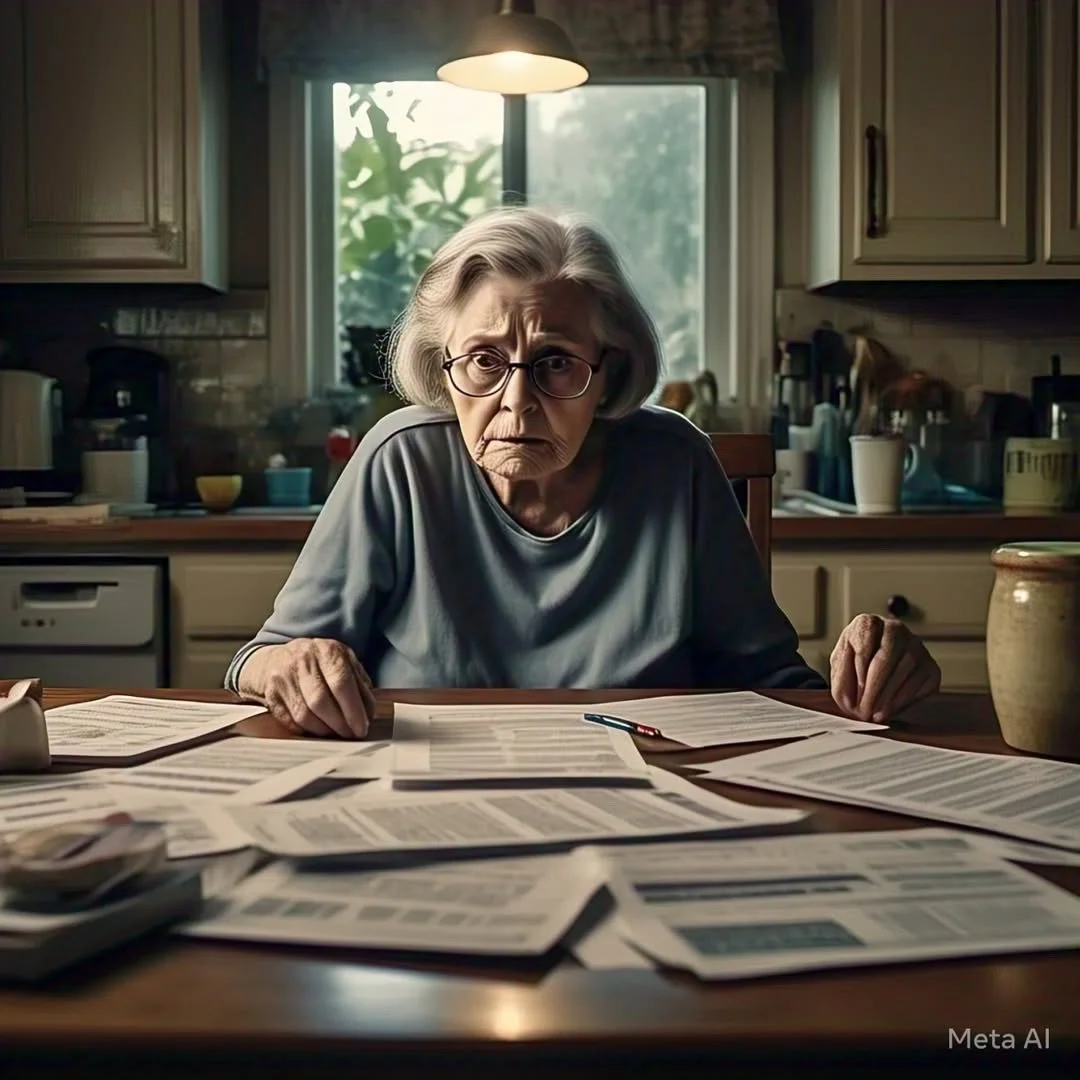
Recognizing and Responding to Dementia's Impact on Thinking
What This Lesson Covers
Dementia affects far more than just memory; it changes how your loved one thinks, communicates, and experiences the world. Understanding these changes helps you respond with compassion and create a safer, more supportive environment.
Key insight: Dementia is a syndrome involving progressive decline in cognitive function beyond normal aging. Each symptom tells a story about how the brain is changing.
Continue to use the same Worksheet.
We’ll start with the basics.
Dementia
Is an “umbrella” term used when a person’s thinking begins to interfere with their daily functioning.
There are many conditions that fall under this umbrella. Below are some of the more common forms of progressive dementia (there are other types).
I will not go into detail for each. That’s a discussion with your provider IF such is the case.
Details for thought
-
Memory Changes: More Than Simple Forgetfulness
Recent vs. Long-Term Memory
What you might notice: Your loved one forgets this morning's breakfast but vividly recalls their wedding day from 50 years ago.
Why this happens: The brain preserves older, well-established memories while struggling to form new ones. This isn't stubbornness—it's how dementia affects different memory systems.
How to help: Build on their preserved long-term memories for comfort and connection.
-
Executive Function: When Planning Becomes Overwhelming
Problem-Solving and Planning Difficulties
What you might see: Someone who managed complex family finances now struggles to follow a simple recipe they've made hundreds of times.
The deeper challenge: Multi-step tasks become overwhelming because the brain can't sequence and organize information effectively.
Your response: Break complex tasks into single, simple steps and offer patient guidance.
-
Disorientation: When Familiar Becomes Foreign
Time and Place Confusion
Common experiences:
Forgetting what day, month, or season it is
Not recognizing their own home
Wanting to "go home" even when they're already there
The emotional reality: This often reflects deep-seated emotional memories and a sense of not belonging in their current reality.
Helpful approach: Focus on emotional comfort rather than correcting their orientation.
-
Communication Changes
Language and Expression Challenges
Beyond forgetting words: Your loved one might substitute completely unrelated words ("book" instead of "cup") or lose the thread of conversations entirely.
The frustration factor: They often know something's wrong with their communication, which can create anxiety and withdrawal.
Communication strategies:
Listen for the emotion behind the words
Use simple, clear sentences
Give them time to process and respond
Focus on tone and body language -
Personality and Mood Shifts
Understanding Behavioral Changes
What might surprise you: A typically reserved person becomes unusually outgoing, or a calm individual becomes easily agitated.
Important to remember: These aren't character flaws, dementia literally changes how the brain regulates emotions and social behavior.
Your role: Accept these changes while maintaining boundaries for safety and respect.
-
Familiar Tasks Become Mysterious
When Routine Becomes Confusing
The challenge: It's not just forgetting how to drive, it's forgetting why they're driving or where they're going.
This reveals: Loss of both procedural memory and goal-directed thinking.
Safety implications: Tasks that seem simple may now require supervision or modification.
-
Judgment and Decision-Making
When Logic Breaks Down
Examples you might see:
Wearing a winter coat in summer
Falling for obvious phone scams
Making unusual purchasesUnderstanding the change:
This reflects declining social awareness and critical thinking abilities, not gullibility.Protection strategies:
Monitor financial activities and simplify decision-making when possible. -
Unusual Behaviors That Make Sense
Misplacing Items in Strange Places
What happens: Finding car keys in the refrigerator or glasses in the kitchen pantry.
Why it occurs: Confusion in spatial memory and logical organization systems in the brain.
Your approach: Create designated spots for important items and check unusual locations when things go missing.
Social Withdrawal
What it looks like: Avoiding social activities they once enjoyed.The real reason: Often driven by anxiety about not being able to keep up with conversations, not lack of interest.
How to support: Adapt social activities to their current abilities rather than pushing participation.
-
The "Reset Loop" Phenomenon
Repetitive Questions and Stories
What you experience: The same question asked every few minutes or the same story told repeatedly.
Understanding why: The brain can't store or retrieve new information effectively, creating a continuous "reset" of short-term memory.
Responding with patience: Answer as if it's the first time, each time. Fighting the repetition only creates frustration for everyone.
-
Sensory and Perception Changes
Hallucinations and Delusions
When they occur: More common in certain types of dementia, like Lewy Body dementia.
Examples: Seeing animals that aren't there or believing someone is stealing from them.
What's happening: The brain's sensory processing and interpretation systems are affected.
Your response: Don't argue with their reality; instead, provide comfort and redirect when possible.
-
Physical Manifestations
Movement and Coordination (Apraxia)
Striking example: Holding a toothbrush but not knowing how to use it, despite having the physical ability.What this shows: A disconnect between knowledge and execution. The brain knows what the object is but can't connect it to the action.
Helping strategies: Provide gentle physical prompts and demonstration.
Gait and Balance Changes
In certain dementias: Physical symptoms like shuffling steps or balance problems may appear before or alongside cognitive symptoms.Safety priority: Falls become a major risk requiring environmental modifications and supervision.
The Big Picture Perspective
Important Monitoring Principle
Remember: One or two isolated symptoms don't necessarily indicate dementia. Look for patterns over time—frequency, severity, and how much these changes impact daily life.
Your role as observer: You're gathering information to understand the full scope of changes, not to diagnose.
Building your expertise: Each observation helps you better advocate for appropriate care and support.
Safety
-

Is their safety awareness impaired?
Do they remember to use their assistive device for mobility?
Do they remember to turn off the stove or that they put something on to cook?
Do they remember how to get back home? -

Are they safely taking their medication as prescribed?
a few suggestions…
When all of their medications are filled at the same pharmacy: the pharmacist can check them for interactions and it's easier to manage their complete regimen.
Sit with them and ask them to show their daily process for taking their medications.
If the are using a pill box, sit with them while they fill it.
Hand them the pill bottle
Ask them the name of the medication and what it’s for
Here you are checking both their vision and cognition.
Make a list of their medications using this medication handout
Essential Safety Planning for Dementia Care
The Alzheimer's Association's comprehensive safety hub emphasizes that "safety is important for everyone, but the need for a comprehensive safety plan becomes vital as dementia progresses." Alzheimer's & Dementia Safety | Alzheimer's Association This resource provides expert guidance on critical safety topics including:
Wandering prevention - Strategies and services to address one of the most dangerous behaviors in dementia
Home safety modifications - Practical tips for identifying and addressing household hazards
Driving decisions - Guidance for the difficult conversation about when to stop driving
Safety technology - Overview of tracking devices and monitoring solutions
Travel planning - Tips for safe travel with someone who has dementia
Emergency preparedness - Special considerations for disasters and emergencies
Taking safety measures can "prevent injuries and help the person with Alzheimer's feel more relaxed, less overwhelmed and maintain his or her independence longer."
Having "The Conversation":
Approaching Memory Concerns with Someone You Love
One of the hardest challenges caregivers face: How do you talk to someone about concerning memory changes without causing hurt feelings, denial, or anger?
This essential Alzheimer's Association guide provides a thoughtful, step-by-step framework for approaching these difficult but crucial conversations. The resource acknowledges that "it's normal to be unsure or nervous about how to offer support, but these changes could be a sign of a serious health issue."
The Reality of Cognitive Assessment
Sometimes the picture isn't immediately clear. Cognitive abilities can fluctuate, and getting an accurate assessment may take time and multiple observations.
Factors that can affect your assessment:
Daily variations - some days are genuinely better than others due to sleep, health, or other factors
Time of day matters - many people with dementia function better in the morning and struggle more in late afternoon or evening ("sundowning")
Masking behaviors - your loved one may be working hard to hide difficulties, using familiar routines to appear more capable than they actually are
Situational differences - they might perform well in familiar settings but struggle in new environments
When You Need More Information
If the cognitive picture remains unclear:
Schedule additional visits at different times of day to observe patterns
Vary your assessment approach - observe them in different situations and activities
Ask other family members about their observations and concerns
Look for changes over time rather than focusing on single incidents
Trust your instincts: If something feels different or concerning, even if you can't pinpoint exactly what it is, continue monitoring and documenting your observations.
Taking Action on Your Assessment
Based on what you've learned:
If cognitive abilities seem intact:
Continue periodic monitoring for changes
Support their independence while staying alert to new concerns
Document baseline abilities for future comparison
If you've identified concerning changes:
Schedule medical evaluation to discuss your observations
Begin safety planning based on specific areas of impairment
Consider whether current living situation remains appropriate
Start conversations about future care preferences while they can still participate
If safety judgment is significantly impaired:
Take immediate steps to address dangerous situations
Consider removing access to potentially harmful activities (driving, cooking, managing finances)
Increase supervision and support as needed
Consult healthcare providers promptly
Working with Healthcare Providers
When you contact medical professionals:
Share specific examples of concerning behaviors or changes you've observed
Describe patterns you've noticed (time of day, situational factors, frequency)
Bring your documented observations rather than relying on memory
Ask about cognitive testing if you have ongoing concerns
Remember: Your detailed observations are invaluable to healthcare providers who may only see your loved one briefly in clinical settings.
The Ongoing Nature of Assessment
Cognitive assessment isn't a one-time event. As dementia progresses, abilities change, and your understanding needs to evolve accordingly.
Your growing expertise: Each assessment builds your knowledge and helps you become a more effective advocate for your loved one's safety and care needs.
The compassionate approach: Understanding cognitive changes helps you respond with patience and appropriate support rather than frustration when your loved one struggles with tasks that used to be easy for them.
You're building crucial knowledge that will guide every other aspect of care planning. The time you spend understanding their cognitive abilities directly translates to better safety planning, more appropriate care decisions, and more effective advocacy with healthcare providers.

Protecting Your Brain: Proactive Steps for Cognitive Health
While some cognitive changes may occur with aging, research shows that proactive lifestyle choices can significantly impact brain health and potentially reduce the risk of cognitive decline.
Keep Your Mind Active and Engaged
Mental stimulation acts like exercise for your brain. Regular cognitive challenges help maintain neural connections and build cognitive reserve.
Effective brain-boosting activities:
Pursue meaningful hobbies that challenge your thinking (puzzles, reading, learning new skills)
Stay socially connected with family, friends, and community groups
Volunteer for causes you care about—social engagement combined with purpose provides powerful cognitive benefits
Learn something new regularly, whether it's a language, instrument, or technology
Engage in conversations and maintain active participation in community organizations
Nourish Your Brain with Healthy Lifestyle Choices
Your daily habits directly impact brain health. Small, consistent changes can make a meaningful difference over time.
Brain-protective nutrition:
Eat a Mediterranean-style diet rich in vegetables, fruits, whole grains, fish, and healthy fats
Limit processed foods and excess sugar that can contribute to inflammation
Stay hydrated throughout the day for optimal brain function
Consider brain-healthy foods like berries, leafy greens, nuts, and fatty fish
For detailed nutrition guidance, check out our blog about Brain Health.
Manage health conditions that affect your brain:
Control blood pressure through diet, exercise, and medication when needed
Manage diabetes to prevent blood sugar spikes that can damage brain cells
Keep cholesterol levels healthy to maintain good blood flow to the brain
Address sleep disorders that can interfere with memory consolidation
Stay physically active:
Regular exercise increases blood flow to the brain and promotes new brain cell growth
Aim for 150 minutes of moderate exercise weekly, as recommended by health experts
Include strength training and balance exercises to prevent falls that could cause brain injury
Medical Interventions and Professional Support
Work with healthcare providers to optimize your brain health through evidence-based medical care.
Proactive medical approaches:
Regular health screenings to catch and treat conditions that affect brain health
Medication management to ensure treatments support rather than impair cognitive function
Hearing and vision care to maintain sensory input that keeps the brain engaged
Mental health support for depression, anxiety, or stress that can impact cognitive function
Early intervention matters: If you notice memory changes, discuss them with your healthcare provider promptly rather than dismissing them as "normal aging."
The empowering truth: While we can't prevent all cognitive changes, research consistently shows that people who adopt brain-healthy lifestyles maintain better cognitive function longer and may delay or reduce the severity of cognitive decline.
Start today: Choose one or two strategies that appeal to you and build from there. Your brain health investment pays dividends for years to come.
✦ Important Safety Alert
If your loved one requires hands-on assistance with transfers and toileting AND has cognitive impairment, they likely need 24/7 supervision immediately. This combination creates serious safety risks.
Need guidance? Reach out for personalized direction.
To Do
-
Skilled services are often covered by health insurance, including Medicare and Medicaid, Veteran Benefits, long-term care insurance when prescribed by a doctor
Non-skilled services may have limited coverage and often require Medicaid, out-of-pocket payment or long-term care insurance
-
How is their judgement regarding safety decisions? Using their current process, can they safely take their medications as prescribed? And as discussed in the previous lesson, is their mobility safe? If applicable, do they remember to use their assistive device ( eg. cane, walker…). Are there any other concerns for safety?
-
If applicable, complete their medication list.
Use list of medications to share with all providers to make sure all are on the same page and they're safe to take together and that the frequency and dosages are the most updated.
-
Check out the link for safety options/ideas. See what's applicable for your loved one.
-
If there are concerns of dementia educate yourself. Discuss with their medical provider and the Alzheimer's site are a good starts.
Go prepared:
As you educate yourself, making a list of your observations, concerns and questions.
Resources
-
Glossary of relevant terms and definitions. A useful tool to equip you along your caregiver journey.
-
Knowledge empowers. Alzheimer's website provides chunks of information about dementia.
-
10 Steps to Approach Memory Concerns PDF
It provides guidance to Assess, for the Conversation and some Resources.
-
Use this handout to list your loved-one’s medications.
-
This link from the Alzheimer’s Association provides a variety of options to address their safety
Now You Know
You have a clearer picture of your loved one's cognitive status:
Their thinking abilities across different areas like memory, problem-solving, and judgment
Medication management capacity - whether they can safely handle their prescriptions independently
Safety judgment concerns - how cognitive changes might put them at risk
When to seek medical attention for changes that worry you or seem to be progressing
Next up: We'll explore financial considerations and how to protect and manage your loved one's resources effectively; an area where cognitive changes have significant practical implications.